• Skip to main content
  • Skip to secondary navigation
  • Skip to primary sidebar
  • Skip to footer

Comics for Beginners

How to Write & Draw Comics

  • Contact
  • About
  • Faqs
  • Log In
  • Resources
  • Podcasts
  • Comics Crash Course
  • Blog
  • Videos

Palle Schmidt

Choose The Right Inking Style

by Palle Schmidt 2 Comments


Some say there are only seven different stories in the world. That may be true. But there are a million different ways to tell your story!

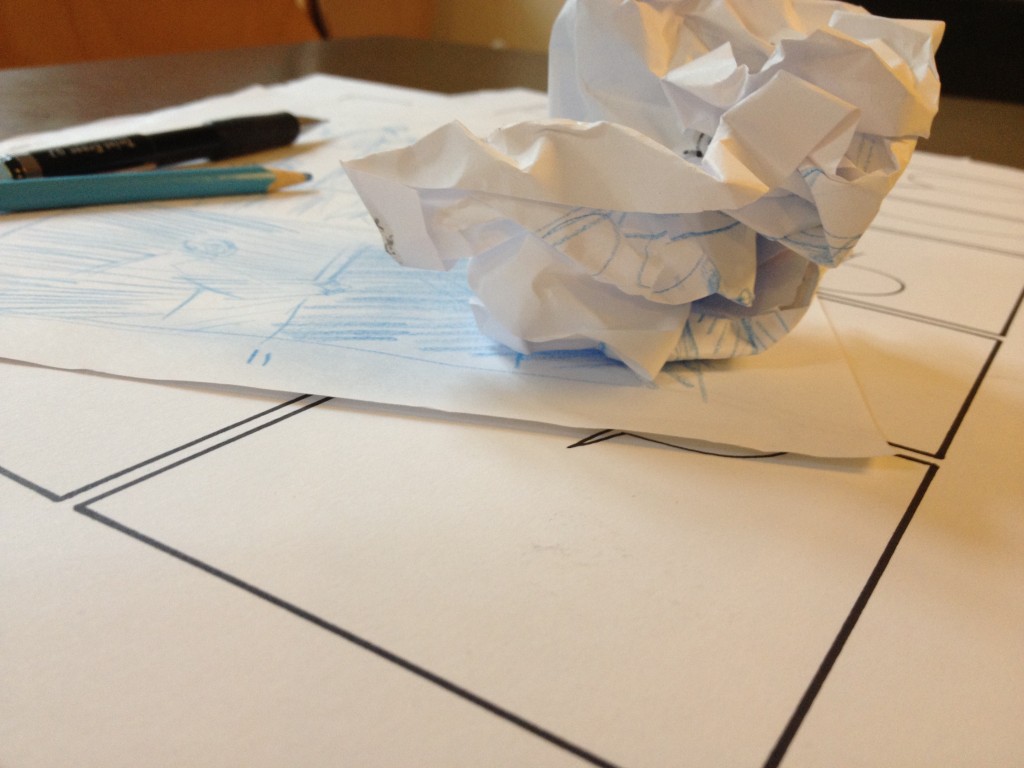
In comics, probably the most important part of the storytelling, is the style you choose in the drawing. A lot of black on the page tends to attract an older audience, while a slick, curved line art and big eyes on the characters will give off a more Manga-like feel. There is a huge difference between a character sketched rendered in scratchy-scratchy detail like a Burns or a Crumb and a drawing inked in flat blacks like a Mignola or a Miller.

First off you have to decide what the genre of the story is. Maybe your style itself fits a certain genre, maybe you are able to change up your style to fit the genre. Whatever the case,you need to make a conscious decision.

My advice would be to look at other comics in the genre and see how they do it. The danger is that you may get too influenced by a certain style or artist, so having more than one reference is always a good idea!

Most artist have what I would call “riffs”. A certain way of drawing something, usually a short cut of sorts. You pick up riffs along the way, but you also invent your own. Your hand will do most of the hard work, but you can also conciously decide to use a certain inking style on a project.

The most important thing about style and tone, is consistency. A set of dogma rules for yourself before you start drawing a particular story can be a good idea. Choose the tools and riffs you will use and stick to that. Do short stories and try out different techniques, see what works for you. And what it does for the story! You can do it in a million different ways – the key to succesful storytelling is to pick a way and stick to your decision.
Filed Under: Pro Tips Tagged With: drawing, inking, inking style, making comics, productivity, style

Bonus Video: How to Paint with White Gouache on Black Board

by Palle Schmidt Leave a Comment

Sometimes negative thinking is a good idea! Especially if you’re designing a very dark piece of art, focusing on the highlights rather than blacks can be useful.

In this little video I demonstrate how I transform a black piece of board into a cover for a novel (my own!).

Hey, if you want more drawing tips and other goodies, why not sign up for my free, non-spammy newsletter?

Filed Under: Video Tagged With: art hacks, Art Tutorial, black paper, bonus video, cover painting, crime noir, drawing, gouache, painting, pro tips, time-lapse, white on black

What Makes Me a Pro

by Palle Schmidt 5 Comments

what-makes-me-a-proWe artists often have a very self-deprecating nature. So let me go against the grain here and try to describe what I find makes me a professional. It’s not that I’m a great artist or a great writer (my self-deprecating nature forbids me to describe myself that way). But at least I’m a pro!
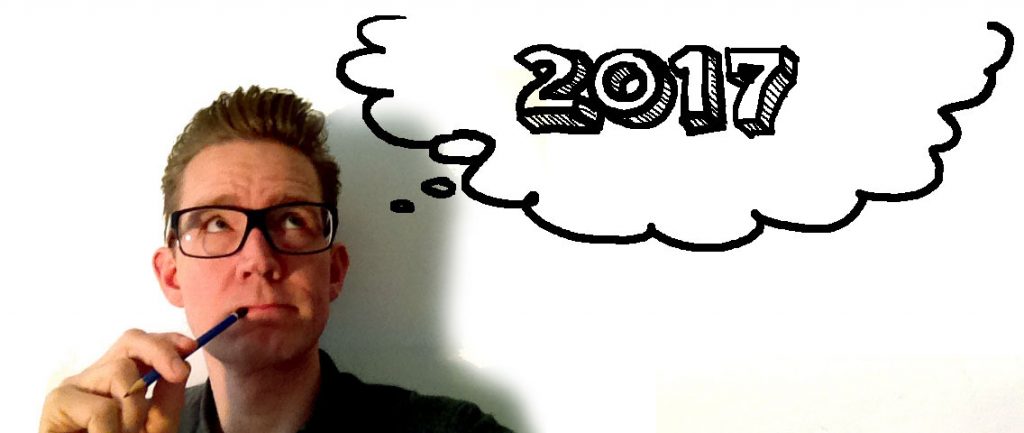
The obvious answer to what makes me a pro is of course that I make a living from my artistic skills and have been for almost 20 years. I’m also very good at keeping my promises (aka. deadlines) which I think is probably the most important thing for a freelancer.

But I just realized that underneath these superficial traits are two very basic principles:

1:

I am aware of my own process enough that I am able to replicate it. That includes knowing how long each step will roughly take so I know what the time frame needs to be for me to deliver and also have an estimate of how much it should cost. This varies with each project depending very much on my own preferences. If it’s something I’m not passionate about, my price goes up. But that’s a whole other discussion.

2:

I am aware of the resistance (as Steven Pressfield calls it) – both internal and external – that may (and probably will) come up along the way. My many years of experiencing the same feelings of self-doubt and boredom, helps me recognize it for what it is: A part of my workflow. It also helps me with strategies to deal with the resistance. Not overcome it, but live with it.

For instance, I will jump to another part of the process if I feel stuck or simply walk away from it for a while, knowing that I will get back in the groove tomorrow or the next day. What I don’t do is start doubting my entire career and self-worth because I have an unproductive day where I feel like I can’t draw to save my life.

There is no set-in-stone answer to how to become a great artist. Everyone is unique in their approach. But for me I believe the above points are crucial. Hopefully it can serve as an inspiration or eye opener for your own artistic process.

If you are looking for more practical advice on delivering the goods as a pro artist, try giving this podcast episode a listen.

Filed Under: Pro Tips Tagged With: #makecomics, career, creativity, freelance artist, improving as an artist, learning, mind hacks, mindset, planning, pro tips, productivity

2017: The Year of True Independence

by Palle Schmidt 7 Comments

I’ve been an indie artist for almost two decades. Perhaps it’s time to really focus on the indie part.
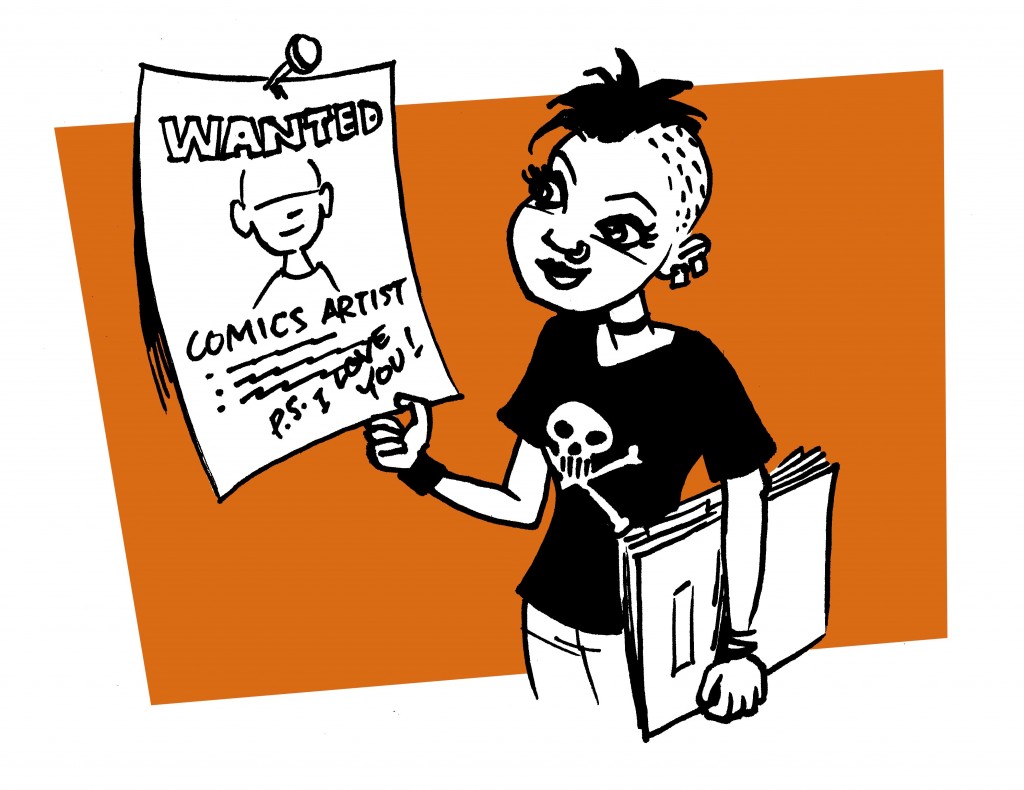
I’ve told stories before about how I’ve tried in the past to live up to the expectations of others and how little it has helped me. Classmates, friends, family members or peers I’ve worked hard to impress. I’ve spent way to much time comparing myself to others and struggling to make people take notice. I’d like to shift the focus this year to creating things for my own sake. I’m not going to be completely selfish and unintelligent about what projects I take on, I still have commitments and bills to pay. But I think there is a way to measure my success in a more constructive way.

There is a difference between inner motivation and outer motivation. The latter is when you are hoping for the love and respect of a boss, a parent or an audience. You seek validation from the outside world, usually in the form of likes, comments or sells. Here’s the problem with that: It’s highly addictive and it is completely out of your control.

You can scream and jump, but whether people connect to what you put out there in the way that you are hoping for is totally unpredictable.

You can try to guess what people want. You can study the metrics of what seems to work. You can try to emulate previous success. But at the end of the day, who the hell knows, right?

Inner motivation is when you define your own success, in a way that you can control. Sending a pitch to a publisher is a box you can check, you can totally do that. Selling a pitch is a whole other matter and it is beyond your control.

You are giving way too much power to strangers, if you let them decide if you’re succesful or not. Try this instead: Set daily or weekly, tiny goals that you can achieve, like drawing two pages a week or writing an hour every morning. Goals or habits that will likely move you in the direction of your big goal.

I will try to make 2017 the year where seek real independence. Not just financially but also of other people’s opinions. Want to join me on this quest?

Answer these questions for me:

  • Who are the five people whose opinion you value the most?
  • Who are the people whose judgement you fear the most?
  • Are they on the first list? And if not, then could you please stop paying attention to what they think?

Sure you can. And you should.

Happy independence year.


Sign up for my FREE  7-day Comics Crash Course

Filed Under: News Tagged With: 2017, career, creativity, freelance, independence, indie, learning, mind hacks, mindset, motivation, pro tips, productivity, resolutions, succeess, workflow

How to Catch an Artist

by Palle Schmidt Leave a Comment

finding-a-comics-artistThis blog is focused on comics creation as a whole, rather than seeing writer and artist as two separate things. But what do you do if you have a great story written but don’t feel you have the drawing skills to pull it off?

It’s a big commitment for an artist to draw a comic book that someone else wrote.

Getting an artist on board on your big project is not going to be easy, unless you have the cash to pay for their time. And even then, you’re competing with other commitments and paid work.

Being both a writer and an artist, I can see things from both sides. And I know there are more people out there who can write than there are people who can draw. Time is another important factor. You can write five 22-page issues of something in the same time it takes an artist to draw just one. So how do you lure someone into spending weeks and months hunched over the drawing table working on your book?

Here’s what I think will help:

  • A script. I would never agree to draw something from a pitch or an idea. If a writer can’t show me any writing, all the alarm bells go off. And if I am expected to commit to a longer series, I need not only a script for the first ten pages, I need to know where it’s all going. I need to know the writer can write and has a plan.
  • A track record. Again, showing that you can produce something helps convince others to get on board. If you have other finished projects on your resume, you may be able to hook an artist with just a detailed outline with a beginning, middle and end. A few pages of script is still necessary, to show that you can write.
  • A smaller commitment. It’s much easier to agree to draw ten pages in black and white, than a six issue series or a fully painted graphic novel. As a writer, this also gives you a chance to see how the relationship works out. Just because an artist can show excellent work doesn’t mean they can produce it consistently, keep a schedule or be easy to work with. Doing a shorter story is mutually beneficial.
  • Money. Sure, we are all for sale. The more money you can put up front, the harder it is for an artist to say no. But like mentioned above, artists can be flaky, so doing a shorter thing together is a good idea before you pay an artist a huge sum for a book they may never deliver.
  • Ownership. If you offer to give the artist a creator credit, it helps sell the message that you are both in the same boat. If you do a pitch together (see this page for how to create a compelling pitch) to get a publisher, having split ownership of the property makes the artist invest more time and effort.
  • Trust. The cornerstone to any working relationship is reliability and trust. To get an artist to commit time and energy to your project, you need to trust them to do their thing without you looking over their shoulder. You need to trust their decisions and listen to their input – or at least pretend. But you also need to deliver on your promises and not be late with a script, feedback or payment.

Happy hunting!

PS: Even if you never plan to draw anything, it might be a good idea to at least have an idea of the process. So sign up for my 100% free 7-day crash course here.

Filed Under: Pro Tips Tagged With: artist, career, collaboration, comics, creativity, how to, making comics, pitch, pro tips, workflow, working with an artist, writing for comics

When in Rome – Comics for Beginners Podcast Episode 32

by Palle Schmidt Leave a Comment


In this podcast episode I talk to writer/artist Paolo Parisi in a crowded cafe in his home city of Rome. We touch on the Italian comics scene, festivals, underground comics, the relationship between music and comics and the flip side to freelance life as well as the upsides – one of them being the freedom to work from anywhere in the World. More about Paolo at www.paoloparisi.org

Filed Under: Podcast, Pro Tips Tagged With: #makecomics, advice, career, Coltrane, comics, comics industry, creativity, Europe, festivals, freelance life, location independence, making comics, Paolo Parisi, podcast, podcast interview, pro tips, Rome, travel, Underground

  • « Go to Previous Page
  • Page 1
  • Interim pages omitted …
  • Page 6
  • Page 7
  • Page 8
  • Page 9
  • Page 10
  • Interim pages omitted …
  • Page 27
  • Go to Next Page »

Primary Sidebar

Hours of Premium Content

ComicsCrashCourse

Try the FREE 7-day Comics Course

Creator Profiles

Interviews with Creators

The CFB Podcasts

Find them here.

Comic Creators eBook

The Comic Creators eBook

Footer

Check out more resources

Bundles of quality content available, check how to write comics and how to make your comic book artwork look great or find tips and tricks on the blog.

Latest from the blog

  • Video: How to get Story Ideas
  • Video: The Benefit of Being a Nobody
  • Video: Why Creatives Hear Voices
  • Digital Tools for 2021
  • The Most Badass Tools for Inking Comics
  • Why Creative Restrictions are Good for You!
  • How to Write a Great Story – and Stick the Landing

Contact us

If you have questions or issues please contact us.

Official mail: mail(at)comicsforbeginners.com

Feel free to connect on Twitter and/or Facebook.

Copyright © 2026 · ComicsForBeginners by Palle Schmidt Log in