• Skip to main content
  • Skip to secondary navigation
  • Skip to primary sidebar
  • Skip to footer

Comics for Beginners

How to Write & Draw Comics

  • Contact
  • About
  • Faqs
  • Log In
  • Resources
  • Podcasts
  • Comics Crash Course
  • Blog
  • Videos

Palle Schmidt

Two free one-sheets for freelance artists

by Palle Schmidt 3 Comments

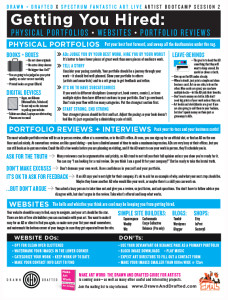
As told in this article on Muddy Colors, artists Lauren Panepinto and Marc Sheff are putting together a book for freelance artists called Make Art Work – in their own words: “a guide that gives artists the most specific information in the simplest  language possible”. The two held an Art Business Bootcamp at Spectrum Live and some pretty valuable info came out of that, as these two one-sheets will tell.

“There’s not one absolute rule that works for everyone, but these one sheets  present a good place to start, and a general consensus on a lot of the questions  that we Art Directors hear repeated from con, to con, to panel, to email, etc.”

I agree completely! And hereby present you with the two PDF’s for your convenience:
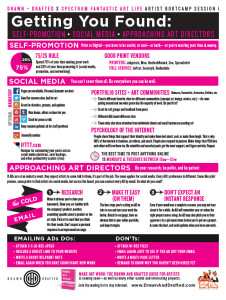
ONESHEET-BOOTCAMP1-226x300

ONESHEET-BOOTCAMP1

ONESHEET-BOOTCAMP2-228x300

ONESHEET-BOOTCAMP2

You can learn more about the book here and sign up to the newsletter at http://www.drawnanddrafted.com/ and stay in the loop about their upcoming Kickstarter campaign for the book.

Filed Under: News, Pro Tips, Resources Tagged With: Art Business Bootcamp, art directors, career, Comics conventions, comics industry, Drawn and Drafted, freelnce life, getting hired, Kickstarter, Lauren Panepinto, learning, Make Art Work, Marc Sheff, Muddy Colors, portfolio, portfolio review, PR, pro tips, social media, Spectrum Fantastic Art Live

The price of praise

by Palle Schmidt 4 Comments

The-loser-takes-it-allI was up for an award here in Denmark this weekend, the Ping, something like the Danish equivalent of the Eisners. I was nominated for my graphic novel, STILETTO, in the main category. I didn’t win, which puts me in a position to talk about the nature of validation and the need for praise, instead of just tooting my horn and talking about how awesome I am.

Of course I would have loved to win that award, I was hoping for it and at the same time trying NOT to hope for it, because dissapointment is not the greatest feeling in the world. But here’s the thing: If I HAD won that award, it would have felt great for a few moments, maybe a few days. But the need for praise and validation never really goes away.

It’s never enough.

The needy little part of an artist’s soul is always going to want more. I don’t know anyone who feels they have enough fan mail or awards on their shelf that it fulfils their need. I don’t belive those people exist. You can never drink enough water that it keeps you from ever being thirsty again.

So while I would loved to have won, it’s more because it would have helped me with press and such going forward. It’s like those booster points you get in computer games, where you pick up the coin or whatever and you get a rocket attached to your back. An award or a great review gives you that boost for a few seconds, and then the effect wears off. The game continues. You start looking for the next gold coin.

What I’m trying to say is, if you ever find yourself up for an award or a job or anything, think of it as a step towards an end goal. Always keep that in mind. And stay busy! Keeping busy and working on your craft is not only great for building a career, it’s also your best defense against the needy, selfish little part of you that worries wether anyone really, I mean REALLY, loves you or they’re all just pretending. The part of you that looks on other people with envy and want to keep you from building confidence and self-sustainability. I don’t know what the purpose of that part of our brain is, but I’m willing to bet good money we all have it.

I try to teach my kids to be grateful of the things they have rather than bitch about what they don’t have. It’s hard for a kid to see another kid with an ice cream. But that’s LIFE. And it goes on like that.

So I’m here at the studio hunched over my desk as the sun is baking outside, grateful for working on the Thomas Alsop comic more or less full time, grateful for the praise I DO get and the support of all the subscribers on Comics for Beginners, thankful for every “like” on Facebook, but not depending on it for my sense of self-appreciation. Grateful for having done work I’m proud of and having it published, and having a supportive wife who takes care of our kids while I’m at work on a national holiday and who never asked me to get a real job instead of wasting my time doing comics. I am so very, very lucky and very happy right now, doing what I love and am relatively good at.

Thank you.

Now back to work.

—

Related post: Why you can’t learn from success


Filed Under: News, Pro Tips Tagged With: career, comics, creativity, losing, mind hacks, mindset, Ping awards, pro tips, productivity, STILETTO, workflow

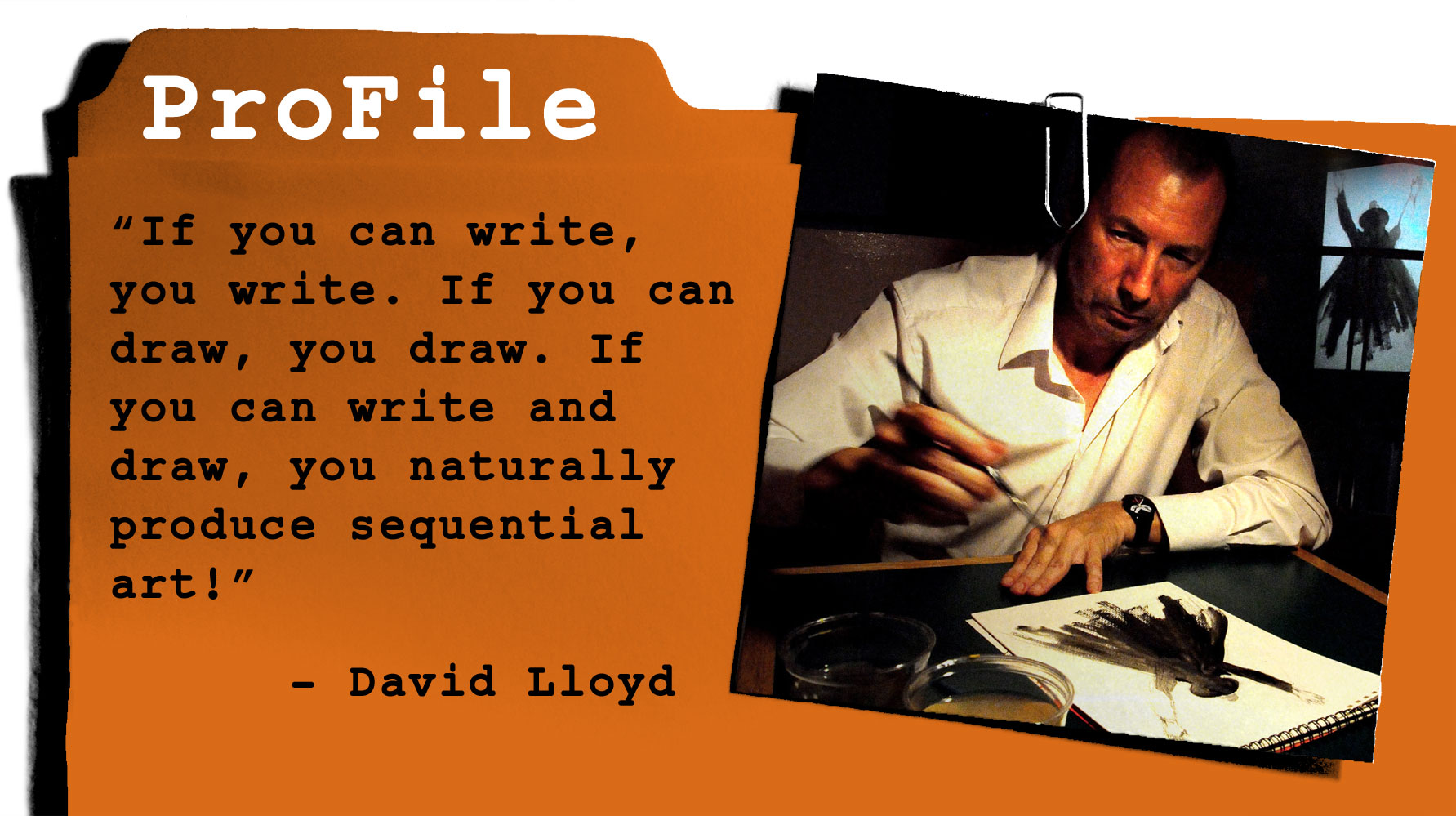
ProFile: David Lloyd

by Palle Schmidt Leave a Comment

ProFile-David-LloydDAVID LLOYD is the well-known illustrator and co-creator of the globally successful, V For Vendetta, who’s also worked on the Hellblazer series, Aliens, Global Frequency, War Stories, and many other projects.  His acclaimed crime graphic novel, Kickback, is now available as an app with all kinds of extras including a commentary. He’s collaborated on an Asterix collection ; produced his first limited-edition print,‘ The Prizefighter ‘; and written and drawn a book on Sao Paulo.  His most recent work in print is a retrospective collection of short stories – Materia Oscura – which was published in Italy and Spain. He also helps manage the educational website, Cartoon Classroom,  which aims to centralize all information available on the study of cartooning and sequential art in Britain and Ireland. His current occupation is editing and publishing an exclusively digital comic art magazine, Aces Weekly, which features top talent from around the world.

More information on David’s past and present projects can be found via www.lforlloyd.com,  on Deviantart.com, and on his Facebook page.

What made you decide to work in the medium of comics?

I was good at it, loved telling stories and expressing myself that way – in the same way that any artist has to paint, I had to create these things once I realized that I could – and had seen how effective they could be! If you can write, you write. If you can draw, you draw. If you can write and draw, you naturally produce sequential art! If you want to.

What part of the process is the most challenging or frustrating to you?

None of it. Damn publishers sometimes not selling it or printing it badly is the only challenging and frustrating part of it.

If you could give one piece of advice to an aspiring comics creator, what would that be?

Work hard to be the best you can be at it.

Filed Under: Pro Tips, ProFile Tagged With: Aces Weekly, Aliens, Asterix, career, Cartoon Classroom, comics, comics industry, creativity, David Lloyd, Global Frequency, Hellblazer, making comics, Materia Oscura, pro tips, sequential art, The Prizefighter, V For Vendetta, War Stories, writing for comics

Bonus Video: Making borders and balloons black on painted art

by Palle Schmidt Leave a Comment

When you’re making comics as painted art, getting the borders and balloons nice and black can be tricky. I found a workaround that I share in this quick tip.

Filed Under: Pro Tips, Video Tagged With: art hack, Art Tutorial, balloons, borders, drawing, how to, making comics, painting, Palle Schmidt, Photoshop, pro tips

Do your comics pass the test?

by Palle Schmidt Leave a Comment

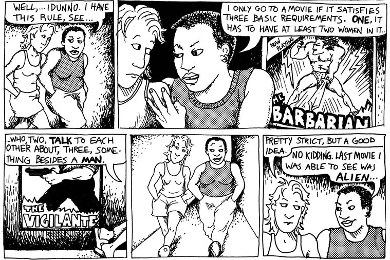
Dykes_to_Watch_Out_For_(Bechdel_test_origin)I first heard of the Bechdel test on screenwriter John August’s podcast Scriptnotes  – a podcast well worth listening to if you’re interested in the craft (and psychology) of writing. But I only just now stumbled upon the fact that the origin of the Bechdel test was a comic!

In case you have no idea what the Bechdel test is, the criteria is this:

  1. Are there two or more female characters with names?
  2. Do they talk to each other?
  3. If they talk to each other, do they talk about something other than a man?

The test was popularized by Alison Bechdel’s comic Dykes to Watch Out For, in a 1985 strip called The Rule (see above) and has since become a way to check Hollywood movies for equality issues. But why not hold your own feet to the fire and see if your comics pass the test? After all, women are an essential part of the population and (luckily) more and more prominent in comics, both as protagonists and as readers and creators. Still women characters in comics are often nothing but mere plot devices, like the worrying spouse or the damsel in distress – rarely do they drive the story and rarely do they have any personality to speak of (unless huge bosoms count as personality).

So what do you think? Do your comics pass or fail? I know my comics fail miserably, but at least the Bechdel is a way to gain some self-awareness on your storytelling habits.

If the test seems easy to pass, check out this list of movies that surprisingly fail the Bechdel test. If you want to hear the episode of Scriptnotes that discuss the Bechdel test, go here, and if you want to know more about Alison Bechdel and her comics, go here.

Now go make some comics with real women people in them!

Filed Under: News Tagged With: The Bechdel Test

Art tutorial: 5 ways to add some life to your drawings

by Palle Schmidt 2 Comments

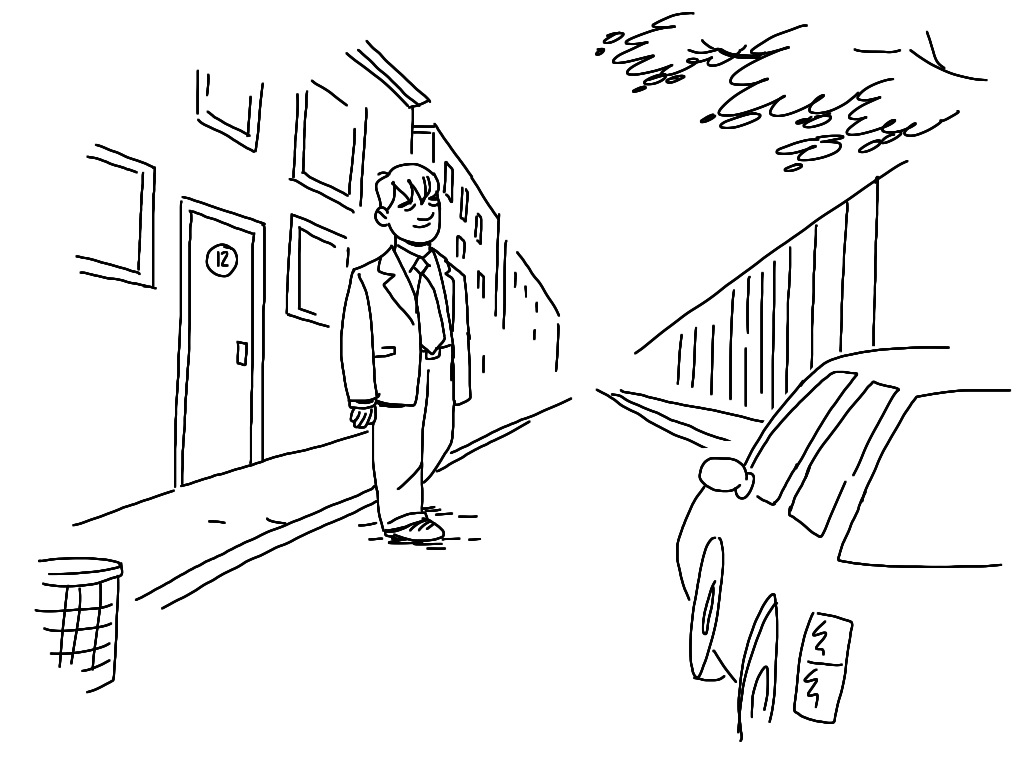
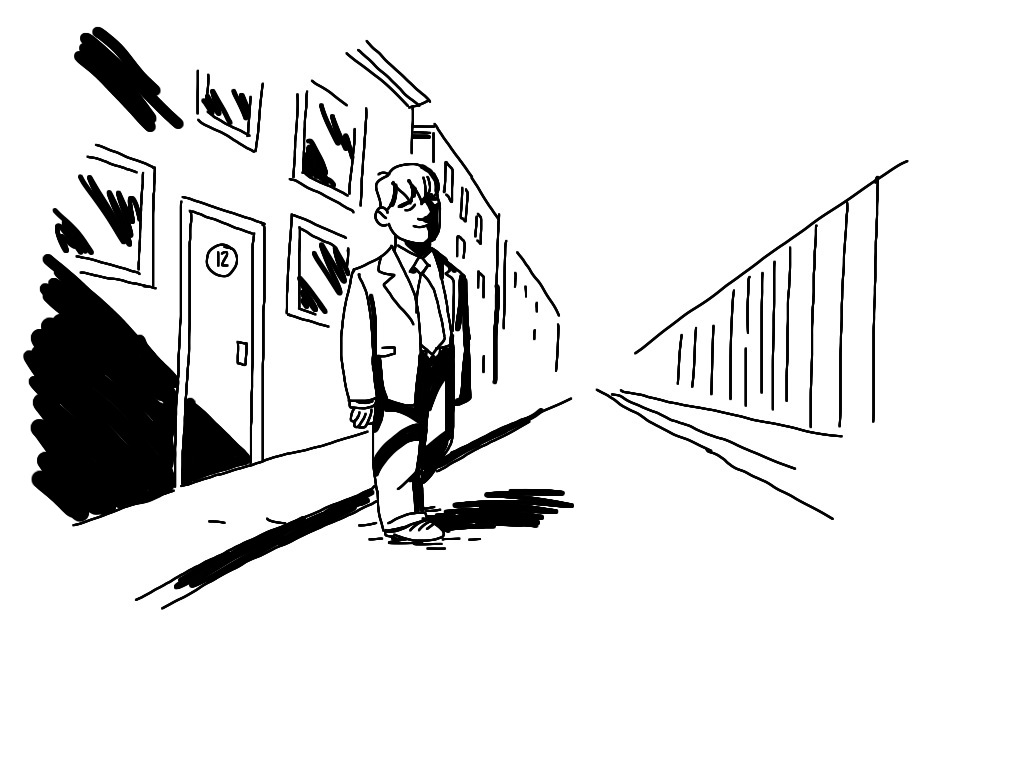
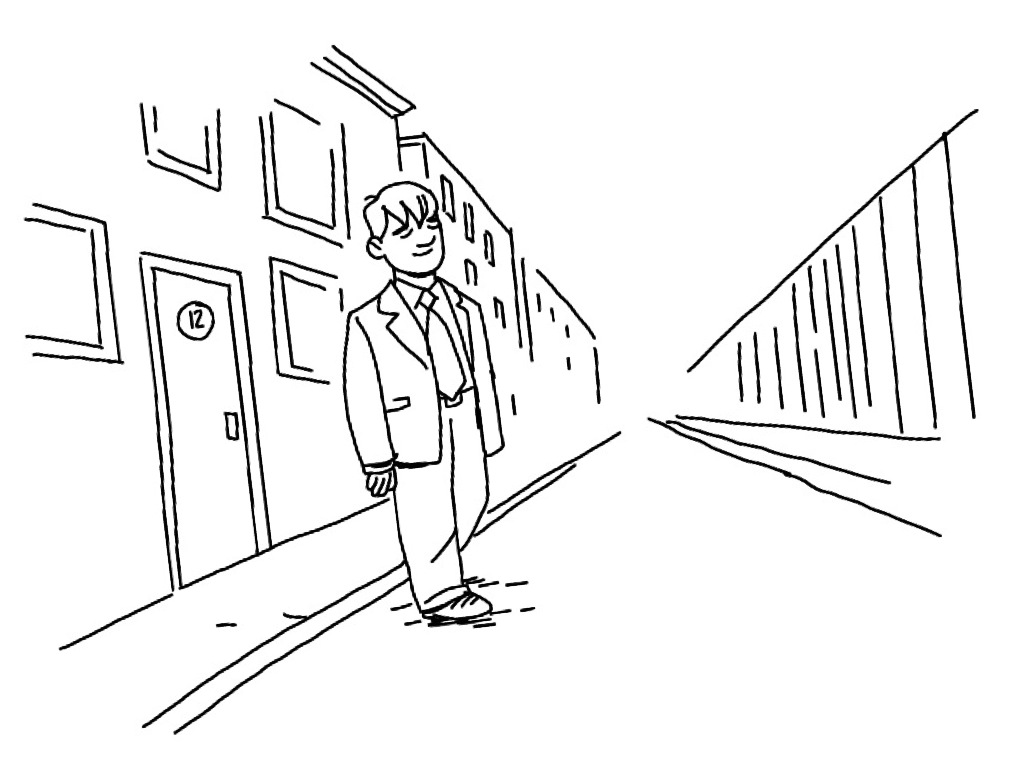
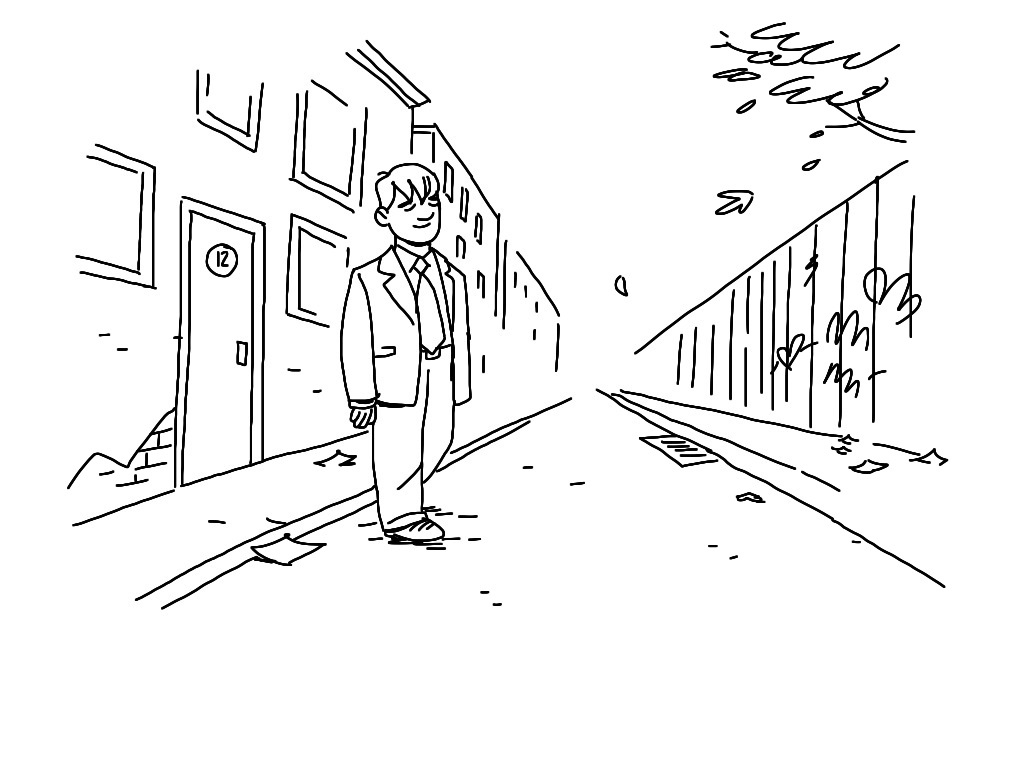
Do your comics panels lie flat on the page? Struggle to make your characters more dynamic and your backgrounds more authentic? Here are 5 quick tips to making your comics come alive!

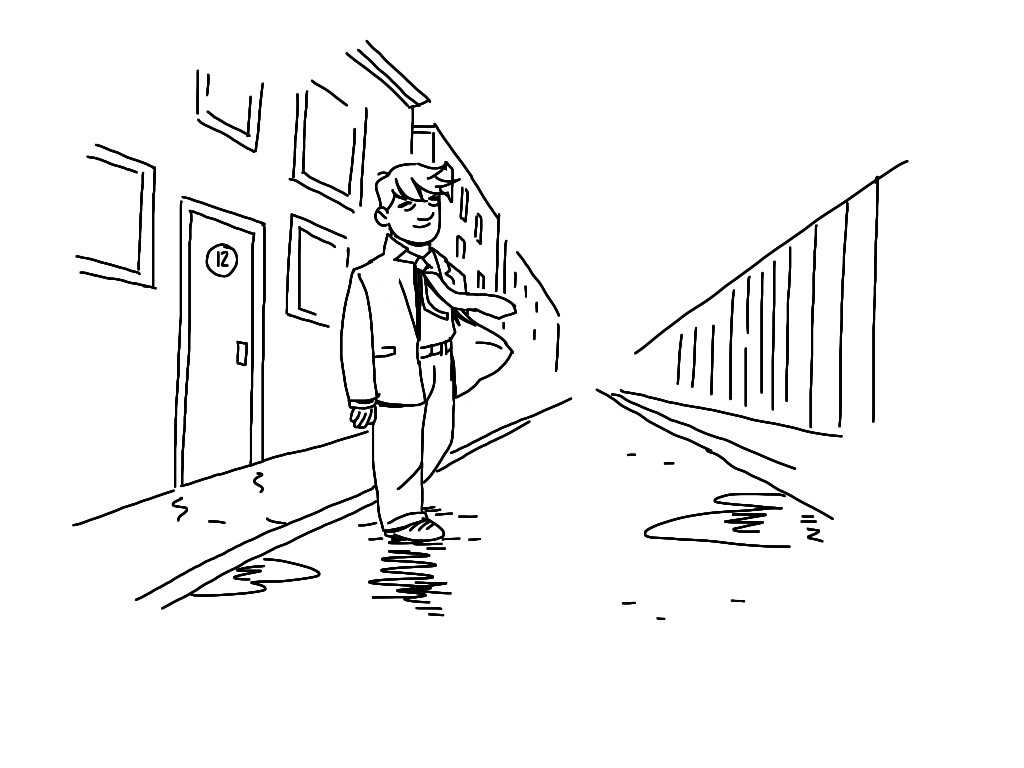
1. Wind

Yes, wind! We often forget the weather when we are making comics, but this is just another case of a little going a long way. A puddle or a snowdrift can give off the same effect and help us determine where and when we are.

wind

2. Foreground

Put something in the foreground of your frame will make it look like there is an actual world around your characters.

foreground

3. Shadows

Same as with foreground, the shade of something that is NOT visible in the frame, will give off the illusion of a bigger environment.
shadow

4. Tilt

If all your lines run parallel with the borders, you run risk of confusing and/or boring your reader. Tilt the image, make it seem more dynamic.

tilt

5. Trash

Put some paper scraps, dead leaves or cigarette butts in your frames to make them seem more lived in. A cracked pavement, a grafitti or some peeled paint gives the same feeling: The world exists outside this one, static image!

trash

For more quick tips and art hacks like this, sign up to our newsletter!

Filed Under: Pro Tips Tagged With: art hacks, Art Tutorial, comics, drawing, how to, improving as an artist, learning, life, pro tips, tips for making comics

  • « Go to Previous Page
  • Page 1
  • Interim pages omitted …
  • Page 13
  • Page 14
  • Page 15
  • Page 16
  • Page 17
  • Interim pages omitted …
  • Page 27
  • Go to Next Page »

Primary Sidebar

Hours of Premium Content

ComicsCrashCourse

Try the FREE 7-day Comics Course

Creator Profiles

Interviews with Creators

The CFB Podcasts

Find them here.

Comic Creators eBook

The Comic Creators eBook

Footer

Check out more resources

Bundles of quality content available, check how to write comics and how to make your comic book artwork look great or find tips and tricks on the blog.

Latest from the blog

  • Video: How to get Story Ideas
  • Video: The Benefit of Being a Nobody
  • Video: Why Creatives Hear Voices
  • Digital Tools for 2021
  • The Most Badass Tools for Inking Comics
  • Why Creative Restrictions are Good for You!
  • How to Write a Great Story – and Stick the Landing

Contact us

If you have questions or issues please contact us.

Official mail: mail(at)comicsforbeginners.com

Feel free to connect on Twitter and/or Facebook.

Copyright © 2026 · ComicsForBeginners by Palle Schmidt Log in